Boho clothing refers to a fashion style associated with relaxed silhouettes, artistic details, natural textures, layered garments, and influences from different cultural traditions. The term “boho” comes from “bohemian,” a word historically connected with artists, writers, musicians, and communities that developed alternative approaches to conventional European fashion and lifestyle.
Modern boho clothing combines elements from several periods and regions rather than following one fixed design formula. Flowing dresses, embroidered tops, wide-leg trousers, textured skirts, woven accessories, and layered jewelry are frequently associated with the style. Contemporary collections may also include structured pieces alongside relaxed garments.
Luxury Boho Clothing and Designer Boho Clothing use these visual characteristics within more refined fashion collections. Fabrics, construction methods, prints, embroidery, and finishing details can vary considerably between garments, so the term describes a style direction rather than a specific material or manufacturing method.
Historical Development of Bohemian Fashion
Bohemian fashion developed through several overlapping cultural influences. During the 19th and 20th centuries, artists and creative communities often adopted clothing that differed from formal mainstream dress. Loose garments, unusual combinations of fabrics, handmade decoration, and historical references became associated with an artistic lifestyle.
Bohemian fashion gained broader recognition during the 1960s and 1970s. Counterculture movements incorporated flowing clothing, natural fabrics, floral patterns, embroidery, fringe, and layered accessories. Later designers adapted these elements for contemporary wardrobes.
Today, Bohemian Designer Clothing can range from casual everyday garments to elaborate runway pieces. Luxury Bohemian Fashion may preserve recognizable elements such as movement, texture, and handcrafted-looking details while using more structured tailoring and modern proportions.
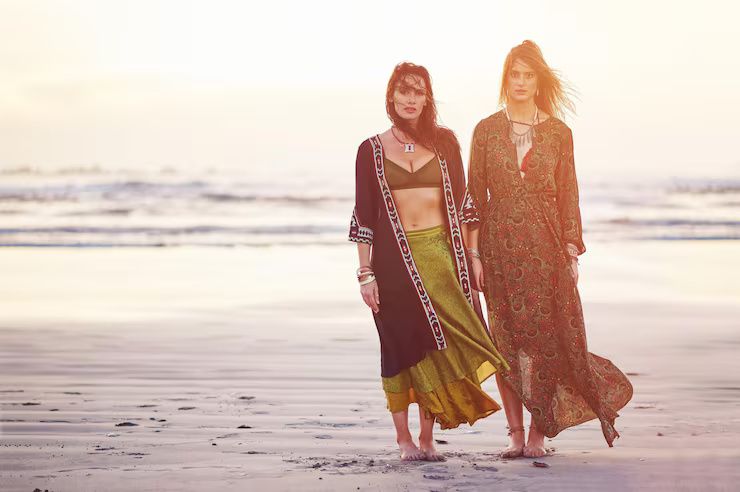
Common Features of Boho Clothing
Boho garments can differ greatly, but several characteristics appear regularly:
- Flowing or relaxed silhouettes that allow movement.
- Natural-looking textures such as linen, cotton, wool, and woven fabrics.
- Decorative techniques including embroidery, beading, crochet, tassels, and fringe.
- Floral, paisley, geometric, or nature-inspired patterns.
- Layering through dresses, jackets, scarves, vests, and skirts.
- Earth-inspired, neutral, muted, or mixed-color palettes.
These characteristics are not requirements. Designers frequently reinterpret them through contemporary cuts, monochromatic palettes, tailored shapes, or minimalist decoration.
Importance
Why Boho Fashion Remains Relevant
Boho clothing remains relevant because it can combine comfort, individuality, and visual detail within one style category. Its relaxed shapes can be adapted to everyday clothing, vacation wardrobes, cultural events, and seasonal collections.
For consumers, understanding the characteristics of the style makes it easier to distinguish between different interpretations. A loose floral dress and a structured embroidered jacket may both be described as bohemian even though their construction and intended use are different.
The style also demonstrates how historical influences continue to shape modern fashion. Elements that originated in artistic communities, folk traditions, and earlier fashion movements are repeatedly reinterpreted by contemporary designers.
Garments Commonly Associated With the Style
Different garments create different versions of the bohemian aesthetic.
| Garment | Common Characteristics | Typical Use |
|---|---|---|
| Boho dresses | Flowing shapes, prints, embroidery | Casual and occasion dressing |
| Boho tops | Loose cuts, decorative details | Everyday outfits |
| Boho skirts | Maxi lengths, patterns, layered fabrics | Casual and resort wardrobes |
| Wide-leg trousers | Relaxed proportions, fluid fabrics | Everyday and travel clothing |
| Kimonos and robes | Open fronts, prints, flowing construction | Layering and resort wear |
| Jackets and vests | Embroidery, texture, fringe | Layered outfits |
| Accessories | Woven, beaded, leather, or textile details | Completing an outfit |
Luxury and Designer Interpretations
High End Boho Fashion generally refers to interpretations that use more elaborate design development, distinctive materials, detailed construction, or specialized craftsmanship. The label itself does not establish a particular quality level, because these characteristics depend on the individual garment.
Luxury Boho Dresses may include flowing silhouettes with embroidery, hand-applied decoration, textured fabrics, or carefully developed prints. Designer Boho Dresses can range from understated designs to highly decorative pieces.
Similarly, Designer Boho Tops and Designer Boho Skirts may use contemporary tailoring while retaining visual references to traditional bohemian clothing. These differences show how a broad aesthetic can be adapted to different fashion categories.
Recent Updates
Current Direction of Boho Fashion
From 2024 through 2026, boho fashion has continued to appear through changing interpretations rather than one uniform trend. Contemporary collections have incorporated flowing silhouettes, earthy colors, crochet textures, layered styling, floral patterns, fringe, and artisanal-looking decoration.
One noticeable direction is the combination of bohemian details with more structured garments. Instead of relying entirely on oversized or flowing shapes, designers may combine a decorative skirt with a fitted jacket or pair an embroidered top with tailored trousers.
Another development is the movement toward versatile wardrobe pieces. A single flowing dress, lightweight jacket, or textured skirt can be styled differently across casual, travel, and occasion settings.
Materials and Design Considerations
Material selection has also become an important part of fashion discussions. Luxury Sustainable Boho Fashion commonly refers to clothing that incorporates approaches intended to reduce environmental impact, such as selected lower-impact fibers, recycled materials, longer-wearing construction, or production practices designed to reduce material waste.
However, sustainability is not determined by one fabric alone. The overall picture can involve fiber selection, dyeing, manufacturing, transportation, garment lifespan, care practices, and end-of-life handling.
Consumers may therefore encounter several different approaches, including:
- Organic or recycled textile fibers.
- Natural fibers such as linen and certain types of cotton.
- Reclaimed or reused fabrics.
- Reduced-waste pattern cutting.
- Longer-wearing garment construction.
- Packaging and production methods designed to reduce material use.
Terms such as “sustainable” can have different meanings across fashion companies, so product information should be interpreted according to the specific materials and production claims provided.
Boho Fashion for Travel
Luxury Boho Resort Wear combines relaxed silhouettes with fabrics and designs associated with warm-weather destinations. Lightweight dresses, loose trousers, open-front layers, skirts, and textured tops are common categories.
Travel wardrobes often prioritize garments that can be combined in several ways. Color coordination, fabric weight, ease of movement, and suitability for the local climate can influence how boho pieces are selected and styled.
Laws or Policies
Fashion Regulations in India
In India, clothing manufacturers and importers operate within a regulatory framework covering areas such as product labeling, consumer information, textiles, environmental requirements, and business operations. Requirements can vary according to the product, material, manufacturing activity, and distribution channel.
Textile labeling and consumer information are relevant because buyers may need information about aspects such as fiber composition, manufacturer or importer details, size information, and other applicable declarations. The Legal Metrology framework also regulates certain packaged commodities and declarations in applicable circumstances.
Environmental and Textile Considerations
Environmental rules can affect textile manufacturing through requirements concerning waste management, water use, pollution control, packaging, and industrial operations. Specific obligations depend on the nature and location of the manufacturing activity.
India's textile sector also operates within broader initiatives related to textile development, circularity, recycling, and sustainable production. Regulations and government programs can change, so current requirements should be checked with the relevant Indian authorities before making compliance decisions.
Tools and Resources
Fashion Research Resources
Several resources can help readers understand boho clothing, materials, and fashion terminology. Government textile portals can provide information about textile policies and industry initiatives, while standards organizations can provide technical information about materials and product requirements.
For fashion research, useful resources include:
- Textile terminology guides for understanding fibers and fabric construction.
- Size charts for comparing garment measurements.
- Fabric-care labels for washing, drying, and storage instructions.
- Material databases for learning about textile properties.
- Fashion archives for researching historical bohemian styles.
- Sustainability frameworks for understanding environmental terminology.
Planning a Boho Wardrobe
A simple wardrobe planning table can help organize garments according to their function.
| Wardrobe Category | Example Boho Piece | Key Consideration |
|---|---|---|
| Everyday | Embroidered top | Comfort and layering |
| Occasion | Flowing dress | Fabric and silhouette |
| Travel | Lightweight maxi dress | Climate and versatility |
| Resort | Printed skirt | Breathability and movement |
| Layering | Long vest or jacket | Compatibility with other garments |
| Cooler weather | Textured cardigan | Fabric weight and warmth |
Care labels are particularly useful because natural and decorative materials can have different cleaning requirements. Embroidery, beading, crochet, and delicate fabrics may require more careful handling than plain woven garments.
FAQs
What is Luxury Boho Clothing?
Luxury Boho Clothing is a fashion category that combines bohemian design characteristics with more elaborate construction, materials, tailoring, decoration, or design development. It can include dresses, tops, skirts, jackets, and accessories.
How is Designer Boho Clothing different from regular boho clothing?
Designer Boho Clothing refers to bohemian-inspired garments developed within a designer fashion context. Differences may involve pattern development, construction, materials, decorative techniques, and overall design direction rather than the basic bohemian aesthetic itself.
What are Luxury Boho Dresses?
Luxury Boho Dresses are dresses that combine bohemian characteristics such as flowing silhouettes, decorative patterns, embroidery, texture, or layered details with more refined fashion design. Their shapes can range from relaxed maxi dresses to more structured contemporary styles.
What is Luxury Boho Resort Wear?
Luxury Boho Resort Wear refers to bohemian-inspired clothing designed around warm-weather and vacation wardrobes. Common examples include lightweight dresses, flowing skirts, loose tops, robes, and coordinated separates.
What does Luxury Sustainable Boho Fashion mean?
Luxury Sustainable Boho Fashion generally describes bohemian-inspired fashion that incorporates sustainability-related practices or materials alongside a luxury-oriented design approach. Sustainability can involve materials, manufacturing, durability, waste reduction, and other parts of a garment's lifecycle.
Conclusion
Boho clothing has developed from historical artistic and cultural influences into a broad contemporary fashion category. Modern interpretations can include flowing dresses, embroidered tops, textured skirts, layered garments, and resort wear, while designer collections may combine these features with structured tailoring. Recent fashion directions have placed greater attention on versatility, material selection, and sustainability-related practices. The meaning of terms such as luxury, designer, and sustainable depends on the specific garment, materials, and production information.