Sipper manufacturing involves the design and production of reusable drinking bottles and containers made for carrying and consuming beverages.
Sippers are used in homes, schools, workplaces, sports activities, travel, and outdoor recreation. Modern manufacturing combines material selection, molding, forming, assembly, finishing, quality checks, and packaging to create products that are practical for repeated use.
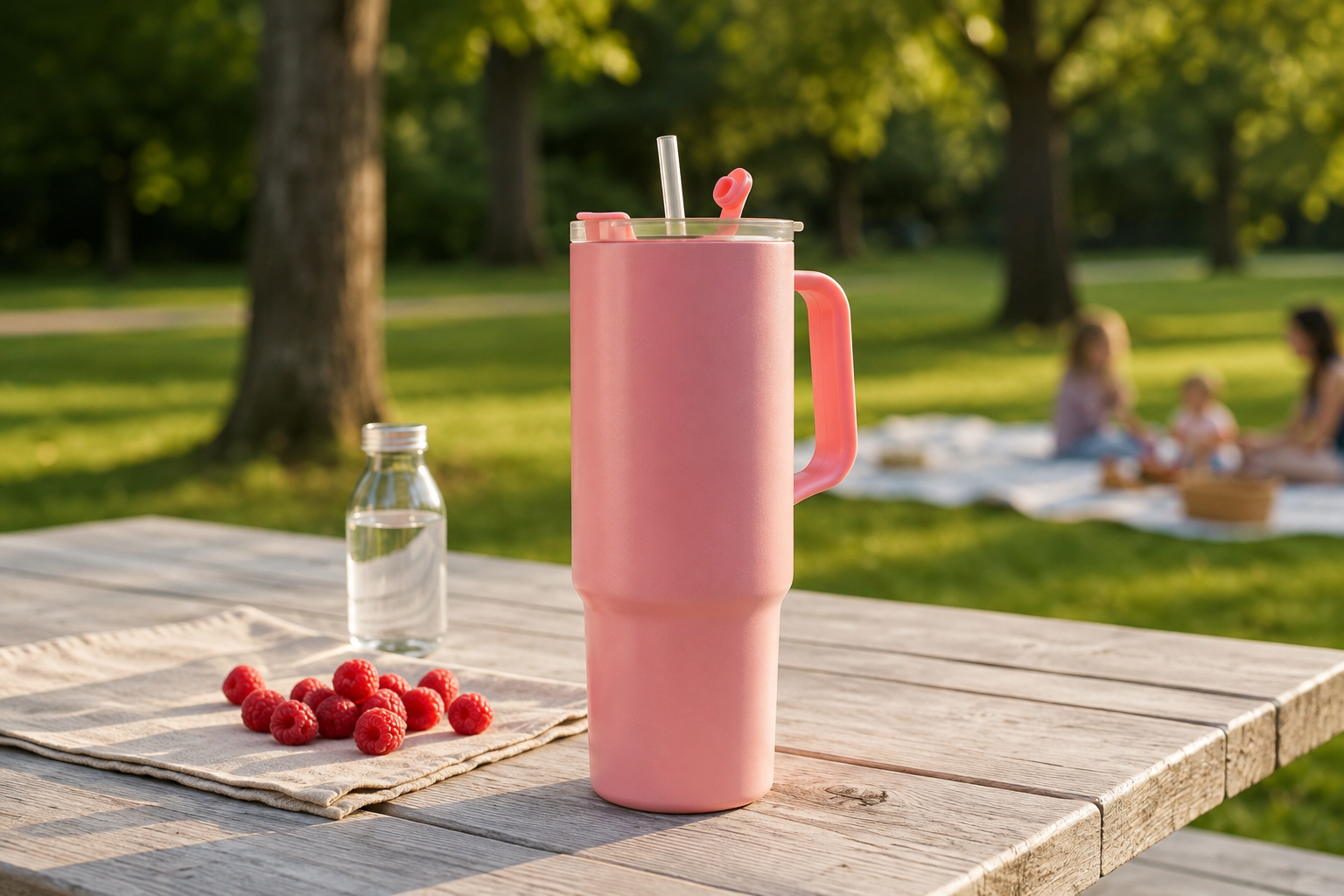
Context
What Is Sipper Manufacturing?
Sipper manufacturing is the industrial process used to produce bottles and drinking containers with features such as lids, caps, mouthpieces, handles, or drinking spouts. Depending on the intended application, a sipper may be made from plastic, stainless steel, aluminum, glass, silicone, or combinations of these materials.
The design of a sipper depends on how it will be used. A school bottle may prioritize light weight and simple operation, while a sports bottle may include a squeeze body, flip-top lid, or wide opening. Travel-oriented designs may include insulation, locking lids, and additional sealing components.
Sipper manufacturing begins with product design and material selection. The production process then depends on the chosen material and the physical characteristics required from the finished container.
Common Materials Used
Plastic remains widely used because it can be molded into different shapes and can provide relatively low weight. Materials such as polypropylene, polyethylene, and certain grades of polyethylene terephthalate may be used for different bottle components.
Stainless steel is commonly used for durable reusable bottles and insulated containers. Glass can also be used where transparency and a rigid surface are desired, although it is heavier and more susceptible to breakage than many plastic alternatives.
Silicone is frequently used for flexible seals, mouthpieces, and other components that require elasticity. A single sipper can therefore contain several materials rather than being made from one material alone.
Main Manufacturing Stages
A general sipper manufacturing process may include:
- Product design and specification
- Raw material preparation
- Molding, forming, or machining
- Surface finishing
- Printing or decoration
- Lid and component production
- Assembly
- Leak and functional checks
- Cleaning and inspection
- Packaging
The exact sequence changes according to the bottle design and manufacturing method.
Production Methods
Plastic sippers are often produced through processes such as injection molding, blow molding, or injection stretch blow molding. Injection molding can create caps, lids, handles, and other shaped components, while blow molding can form hollow bottle bodies.
Metal sippers may involve processes such as sheet forming, deep drawing, welding, polishing, and coating. Insulated stainless-steel bottles can contain multiple metal layers with a controlled space between them.
Glass bottles are commonly produced by heating glass material until it becomes workable and then forming it inside molds. Additional processes may be used for decoration, finishing, or fitting closures.
Importance
Supporting Reusable Drinking Practices
Reusable sippers are part of everyday hydration routines for many people. Their repeated use can reduce dependence on individually packaged drinking containers in situations where a refillable bottle is practical.
The manufacturing process therefore needs to consider durability, cleaning, sealing, handling, and repeated exposure to beverages. These characteristics influence both product design and material selection.
Serving Different User Requirements
Sippers are produced for a wide range of environments. Their applications can include:
- Schools and educational institutions
- Offices and workplaces
- Sports and fitness activities
- Travel and commuting
- Outdoor recreation
- Household use
- Industrial and institutional environments
Each application can involve different requirements for capacity, shape, insulation, opening mechanism, and resistance to repeated handling.
Product Design and Usability
A sipper's design affects how easily it can be carried, opened, filled, cleaned, and stored. Factors such as bottle diameter, lid design, mouth opening, grip shape, and weight can influence everyday use.
Leak prevention is another important consideration. A lid may use a threaded closure, gasket, silicone seal, locking mechanism, or combination of components to reduce the possibility of liquid escaping during transport.
Material Comparison
The table below summarizes common materials used in sipper manufacturing.
| Material | Common Characteristics | Typical Applications |
|---|---|---|
| Polypropylene | Lightweight and moldable | Everyday bottles and lids |
| Polyethylene | Flexible and impact-resistant | Certain bottle and container designs |
| Stainless steel | Rigid and durable | Reusable and insulated bottles |
| Glass | Rigid and transparent | Household and reusable containers |
| Silicone | Flexible and elastic | Seals, mouthpieces, and grips |
Material suitability depends on the specific grade, design, manufacturing process, and intended contact with beverages.
Recent Updates
Increased Attention to Material Selection
From 2024 through 2026, reusable container manufacturing has continued to focus on material selection, durability, recyclability, and product design. Manufacturers have increasingly examined how different materials perform throughout a product's expected use period.
Material identification can also support recycling and waste-management processes. Clear labeling can help users understand what materials are present and how individual components should be handled after use.
Design Improvements
Sipper designs continue to incorporate features intended to improve convenience and portability. These can include wider openings, removable seals, folding components, locking lids, carry loops, and interchangeable caps.
Insulated bottles also remain an important category. These generally use double-wall construction and controlled spaces between layers to reduce heat transfer.
Manufacturing Automation
Automation is increasingly used for repetitive manufacturing tasks such as molding, bottle handling, assembly, inspection, and packaging. Automated systems can use sensors and programmed controls to monitor production processes.
Machine vision can also be used to identify visible defects, incorrect component placement, surface irregularities, or other manufacturing variations. The exact inspection methods depend on the production line.
Recycled and Alternative Materials
Manufacturers are also examining recycled polymers, recyclable metals, and material combinations that can reduce dependence on newly produced raw materials. However, the suitability of recycled material depends on its grade, processing history, regulatory requirements, and intended application.
For containers intended to contact beverages, material selection requires particular attention to applicable food-contact requirements.
Laws or Policies
Regulatory Framework in India
In India, sipper manufacturing can be affected by rules covering food-contact materials, consumer products, packaging, labeling, waste management, and product safety. The exact requirements depend on the material, intended use, manufacturing process, and claims made about the product.
The Food Safety and Standards Authority of India (FSSAI) establishes requirements relating to materials and articles that come into contact with food. These provisions are relevant when sippers are intended for beverages.
Food-Contact Materials
Materials used for drinking containers should be appropriate for their intended contact with food or beverages. Manufacturers may need to consider applicable specifications concerning material composition, migration of substances, and hygienic handling.
Testing and documentation requirements can vary according to the material and applicable regulatory framework. Businesses should consult current official requirements rather than relying on general assumptions.
Plastic and Waste Rules
India's plastic-waste framework also affects products and packaging made from plastic. The Plastic Waste Management Rules and related amendments address areas such as plastic waste handling, recycling, labeling, and extended producer responsibility for applicable categories.
A reusable plastic sipper may be treated differently from single-use packaging depending on its design and regulatory classification. Therefore, the applicable provisions should be checked for the specific product.
Standards and Quality Requirements
The Bureau of Indian Standards (BIS) publishes standards covering numerous materials, products, and manufacturing practices. Depending on the product category, applicable standards may address dimensions, materials, testing, or safety characteristics.
Regulatory requirements can change, so manufacturers and importers should consult current publications from FSSAI, BIS, the Ministry of Environment, Forest and Climate Change, and other relevant authorities.
Tools and Resources
Product Design Software
Computer-aided design software is widely used to create three-dimensional models of sippers, caps, handles, seals, and other components. Designers can examine dimensions, wall thickness, component fit, and assembly relationships before physical production.
Simulation tools can also help evaluate factors such as structural behavior, thermal performance, and fluid movement, depending on the product and software.
Manufacturing Equipment
Common equipment used in sipper manufacturing can include:
- Injection molding machines
- Blow molding machines
- Metal forming equipment
- CNC machines for selected components
- Printing and labeling equipment
- Assembly systems
- Leak-testing equipment
- Vision inspection systems
The equipment selected depends on production volume, material, bottle geometry, and required manufacturing tolerances.
Quality-Control Tools
Manufacturers may use measuring instruments such as calipers, gauges, weighing equipment, pressure-testing devices, and dimensional inspection systems. Leak testing is particularly relevant for bottles with threaded or sealed closures.
For beverage-contact products, laboratory testing may also be used to evaluate material characteristics against applicable requirements.
Regulatory Resources
Official government websites are useful sources for current regulatory information. In India, relevant resources include FSSAI publications, BIS standards information, government environmental regulations, and applicable consumer-protection guidance.
Technical drawings, material specifications, inspection checklists, production records, and testing reports can also help maintain consistent manufacturing documentation.
FAQs
What is sipper manufacturing?
Sipper manufacturing is the process of designing and producing reusable drinking bottles and related components. It can involve plastic molding, metal forming, glass forming, assembly, finishing, inspection, and packaging.
Which materials are commonly used in sipper manufacturing?
Common materials include polypropylene, polyethylene, stainless steel, glass, and silicone. The selected material depends on factors such as weight, durability, flexibility, insulation, transparency, and intended beverage contact.
How are plastic sippers manufactured?
Plastic sippers are commonly produced using injection molding, blow molding, or related processes. Different techniques may be used for the bottle body, cap, handle, and other components before they are assembled.
What quality checks are used in sipper manufacturing?
Quality checks can include dimensional inspection, visual examination, weight measurement, closure testing, leak testing, and material-related testing. Beverage-contact products may also require testing against applicable regulatory requirements.
What regulations apply to sipper manufacturing in India?
Requirements can involve FSSAI rules for food-contact materials, BIS standards where applicable, plastic-waste regulations, labeling provisions, and general consumer-product requirements. The relevant rules depend on the product's material, design, intended use, and regulatory classification.
Conclusion
Sipper manufacturing combines product design, material selection, forming processes, component production, assembly, and quality inspection. Plastic, stainless steel, glass, and silicone each provide different characteristics that influence how a sipper is designed and produced. Current manufacturing trends include greater use of automation, attention to material traceability, improved product designs, and consideration of recyclable or recycled materials. In India, manufacturers also need to consider applicable food-contact, product, labeling, and environmental requirements.